
Key Takeaways
- Determine whether the flicker affects one lamp, one circuit, or the entire property.
- Stop using equipment when flickering is accompanied by heat, odor, sparking, shock, or buzzing.
- LED flicker may come from incompatible dimmers, drivers, or controls—not only bad wiring.
- Whole-property voltage changes deserve prompt evaluation because a loose service or neutral connection may affect multiple circuits.
- Video and timing notes can help an electrician diagnose intermittent symptoms.
Start by Defining the Pattern
The pattern is often more informative than the flicker itself. Note which rooms are affected, whether the issue appears when an appliance starts, whether it occurs at a specific time of day, and whether neighbors are experiencing the same condition.
Use a phone video when safe. Record the fixtures involved, appliance activity, breaker trips, weather, and any recent electrical work. Intermittent faults are easier to trace when the symptom can be connected to a repeatable event.
Common Causes by Symptom
Flicker patterns and what they suggest
| Pattern | Common Possibilities | Priority |
|---|---|---|
| One bulb or one fixture | Loose bulb, worn socket, failing LED driver, incompatible dimmer | Low to moderate unless heat or damage is present |
| One room or circuit | Loose connection, overloaded circuit, switch/receptacle issue | Schedule diagnosis if persistent |
| Dimming when a motor starts | Voltage drop, shared circuit, equipment startup, weak connection | Evaluate circuit and equipment |
| Several rooms or entire home | Service connection, neutral issue, panel problem, or utility fluctuation | Prompt professional evaluation |
| Flicker plus buzzing, odor, heat, or sparks | Arcing or overheating connection | Urgent; stop using affected circuit |
LED Lights Add Another Layer
LED lamps and fixtures use electronic drivers. Flicker can result from an incompatible dimmer, minimum-load issue, failing driver, poor-quality lamp, control wiring, or voltage variation. Replacing one lamp with a known compatible product is a reasonable first check when only one fixture is affected.
If several LED fixtures on the same circuit flicker together, the electrician should evaluate the dimmer, shared neutral, connections, and supply voltage rather than replacing every lamp.
Why Loose Neutral Connections Matter
A neutral connection helps complete the circuit and stabilize voltage. A loose neutral can create uneven voltage behavior, especially when loads change. Symptoms may include lights becoming unusually bright in one area while dimming in another, equipment resets, or flicker across multiple circuits.
This condition can originate in branch wiring, the panel, the service equipment, or the utility connection. Do not attempt to tighten service or panel conductors yourself.
| Urgent warning: Unusually bright lights, burning odor, buzzing at the panel, repeated equipment failure, partial power loss, or flicker across many circuits should be treated as more than a cosmetic lighting issue. |
|---|
A Safe Homeowner Check
- Tighten or replace the bulb only after the fixture is switched off and cool.
- Confirm the lamp is listed as compatible with the dimmer or control.
- Note whether the symptom begins when HVAC, a microwave, refrigerator, pump, or other motor starts.
- Check whether the issue affects one fixture, one circuit, or multiple parts of the property.
- Schedule service if the pattern persists or any warning sign is present.
Do not open the panel, remove energized switches, or probe receptacles unless you are trained and equipped to perform electrical testing.
Estimated Vista and North San Diego County Planning Ranges
| Service | Editorial Planning Range | Typical Variables |
|---|---|---|
| Electrical diagnostic visit | $175–$350 | Intermittent symptoms, circuit access, and testing time |
| Switch, dimmer, or receptacle correction | $225–$500 | Device type, box condition, and wiring repair |
| Branch-circuit connection repair | $350–$1,500+ | Location, access, wall/attic work, and damage |
| Panel or service correction | $3,000–$7,500+ | Equipment condition, utility work, and permit |
| Utility-side repair | Utility-determined | Service drop, transformer, meter, or neighborhood issue |
What the Electrician Should Explain
- Tighten or replace the bulb only after switching off and cooling the fixture
- Confirm the lamp is listed as compatible with the dimmer or control
- Note whether the symptom begins when HVAC, microwave, or a pump starts
- Check whether it affects one fixture, one circuit, or multiple parts of the home
- Schedule service if the pattern persists or any warning sign is present
- Whether the issue is at the fixture, branch circuit, panel, service, or utility side.
- Voltage measurements and how they changed under load.
- Whether a loose connection, overload, incompatible control, or failed equipment was found.
- Which repair is required now and which upgrades are optional.
- Whether damaged conductors, devices, or fixtures need replacement.
How Good Electric Approaches This Type of Work
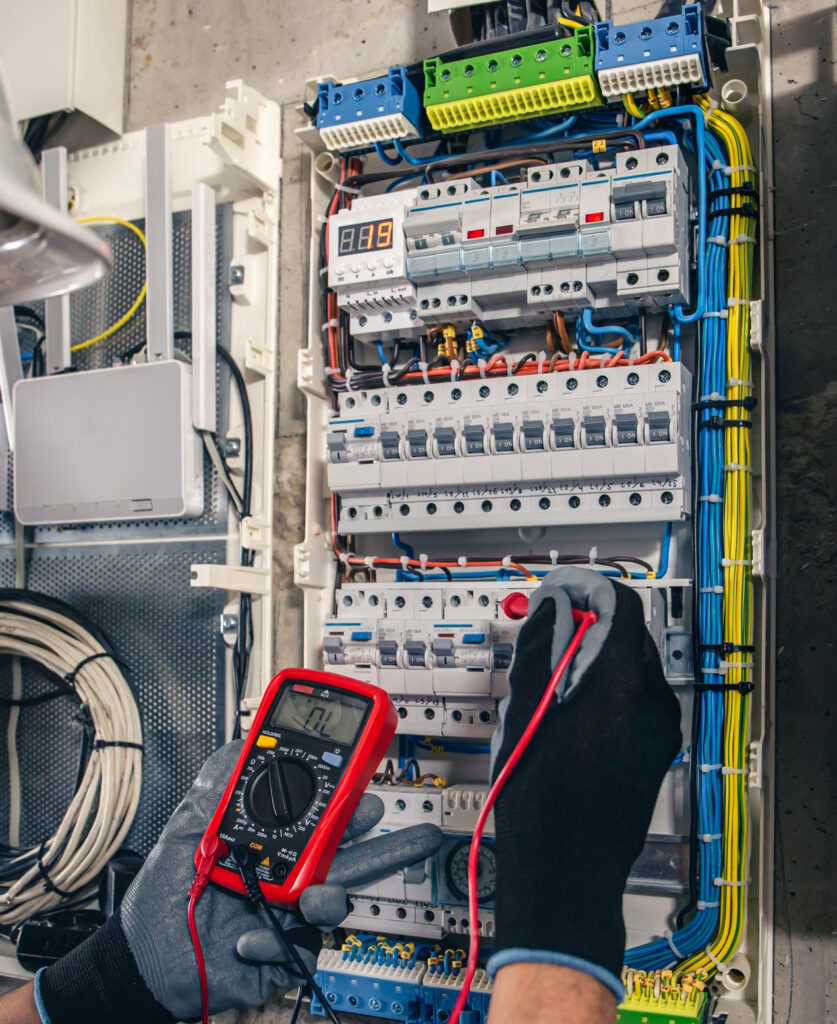
Good Electric begins with the symptom pattern, then tests the affected circuit and supply under realistic operating conditions. That may include inspecting fixtures and dimmers, checking connections, measuring voltage under load, reviewing panel condition, and coordinating with the utility when the issue appears upstream of the property.
The objective is to avoid two common mistakes: replacing every light without testing the circuit, or recommending a panel upgrade when the actual issue is a localized connection or incompatible dimmer.
What Vista Homeowners Should Know About Flickering Lights
Flickering lights in a Vista home can be a minor bulb issue or a sign of a loose neutral or service problem. The most useful first step is to define the pattern: which fixtures flicker, when, and whether it matches appliance use. When heat, odor, buzzing, or sparking accompany the flicker, it is time to stop using the circuit and request service.
Vista flicker troubleshooting
- Define the pattern before calling an electrician
- Stop using equipment if heat, odor, or sparking appears
- Check LED compatibility with dimmers and controls
- Get voltage measured under load for loose connections
Published with Local Expertise
This guide was prepared by Good Electric, a licensed, insured licensed electrical contractor serving Vista and the surrounding area. The recommendations reflect real conditions we see on Vista-area properties. We follow California contractor licensing requirements and recommend every homeowner independently verify a contractor’s license and insurance before starting work.
Last reviewed: 2026-08-04. If you have an electrical need in Vista, Oceanside, San Marcos, Escondido, Carlsbad, and North San Diego County, contact Good Electric for a detailed inspection and written estimate.
Frequently Asked Questions
Why do my lights flicker when the air conditioner starts?
A brief small dip can occur with motor startup, but repeated or significant dimming can indicate voltage drop, a weak connection, equipment problems, or inadequate circuit/service design.
Can a loose light bulb cause flickering?
Yes. A loose bulb, worn socket, or failing lamp can affect one fixture. Turn the fixture off and allow it to cool before checking.
Why do only my LED lights flicker?
LED drivers and dimmers must be compatible. Control design, minimum load, failing drivers, and voltage variation are common causes.
Should I call the utility or an electrician first?
When the issue is inside one fixture or circuit, start with an electrician. When the whole property or neighbors are affected, the utility may also need to investigate. An electrician can help identify the side of the service involved.
Can flickering lights be a fire hazard?
They can be when caused by loose or arcing connections. Heat, odor, buzzing, discoloration, or sparks require immediate attention.
Technical Sources for Editorial Review
- U.S. Consumer Product Safety Commission – Home Electrical Hazard Guidance
- Electrical Safety Foundation International – Home Wiring Safety Tips
- Electrical Safety Foundation International – Electrical Overload Warning Signs
Source note: Technical references support general safety education. Local permitting, equipment specifications, and final scope must be confirmed for the individual property.
Find the Cause of Persistent Flickering
| Next step: Good Electric can determine whether the problem is a lamp, dimmer, branch circuit, panel, service connection, or utility-side issue. Call 760-415-3549 or request electrical troubleshooting in Vista and North San Diego County. |
|---|