
Key Takeaways
- Choose charging power based on daily driving needs, vehicle capability, and available electrical capacity—not the highest advertised amperage.
- Level 2 charging equipment is commonly installed on a dedicated 240-volt circuit.
- Hardwired and plug-in chargers have different installation, receptacle, and disconnect considerations.
- Outdoor equipment must be rated for the location and protected from physical damage.
- Your electrician should coordinate permits and contact SDG&E when utility-side work or a service upgrade is required.
Level 1 vs. Level 2 Home Charging
| Charging Type | Typical Supply | Best Fit |
|---|---|---|
| Level 1 | 120 volts | Low daily mileage, long dwell time, and a suitable dedicated receptacle |
| Level 2 | 240 volts | Faster overnight charging, longer commutes, and larger battery capacity |
| Managed Level 2 | 240 volts with approved control | Homes with limited available service capacity |
| Bidirectional or advanced systems | Equipment-specific | Requires specialized design, utility, and manufacturer coordination |
Start With the Vehicle and Driving Pattern
The vehicle’s onboard charger limits how much AC power it can accept. Installing a higher-output charger does not make every vehicle charge faster. Consider daily mileage, overnight parking time, future vehicles, time-of-use rates, and whether one or two vehicles will share the equipment.
Many Vista households can meet daily needs with a moderate charging rate. A smaller circuit may reduce installation cost and avoid an unnecessary service upgrade while still replenishing normal daily driving overnight.
The Electrical Capacity Evaluation
EV charger planning steps
A qualified electrician should review the service rating, panel condition, existing loads, available breaker spaces, charger rating, and planned future equipment. The calculation should consider major appliances, HVAC, cooking, water heating, solar, batteries, pools, spas, ADUs, and other continuous or high-demand loads.
When capacity is limited, options may include a lower charger setting, listed energy-management equipment, charger load sharing, relocating loads, a subpanel, or a service upgrade. The proposal should explain why the selected approach is appropriate.
Hardwired vs. Plug-In Chargers
Hardwired equipment can reduce receptacle-related failure points and is often preferred for higher continuous loads or outdoor installations. Plug-in equipment can be removable, but the receptacle, enclosure, conductor, breaker, and GFCI requirements must match the installation and equipment instructions.
Ordinary dryer outlets and extension cords should not be assumed suitable for EV charging. Continuous load, duty cycle, receptacle quality, conductor condition, and circuit exclusivity matter.
Permits, SDG&E, and Installation Sequence
- Select charging equipment that is safety-certified and compatible with the vehicle and location.
- Have a licensed electrician perform a site evaluation and load calculation.
- Confirm permit, HOA, landlord, or property-management requirements.
- Coordinate with SDG&E if panel augmentation, meter work, or utility infrastructure is required.
- Install, label, test, commission, and review charging settings with the owner.
- Retain the permit, inspection, equipment manual, and final circuit information.
Estimated Vista and North San Diego County Planning Ranges
| Service | Editorial Planning Range | Typical Variables |
|---|---|---|
| Site evaluation and load review | $200–$450 | Panel documentation, load calculation, and design options |
| Level 2 install near the panel | $900–$1,800 | Circuit rating, equipment, permit, and access |
| Long-run or exterior installation | $1,600–$3,500+ | Distance, conduit, trenching, and wall penetrations |
| Load-management equipment | $800–$2,500+ | Control type, charger compatibility, and commissioning |
| Panel or service upgrade | $3,000–$8,500+ | Utility coordination, meter/service work, and corrections |
EV Charger Proposal Checklist
- Charger model, maximum output, and configured output.
- Circuit amperage, conductor type, route, and disconnect method.
- Hardwired or receptacle connection and required protection.
- Load calculation or approved load-management strategy.
- Indoor/outdoor rating, cable reach, mounting height, and impact protection.
- Permit, inspection, utility, patching, trenching, and warranty responsibilities.
- Future second-vehicle or solar/battery considerations.
How Good Electric Approaches This Type of Work
- Charger model, maximum output, and configured output
- Circuit amperage, conductor type, route, and disconnect method
- Hardwired or receptacle connection and required protection
- Load calculation or approved load-management strategy
- Indoor/outdoor rating, cable reach, and impact protection
- Permit, inspection, and utility responsibilities
Good Electric begins with the vehicle, parking location, daily driving needs, panel condition, calculated load, and future plans. The objective is to install enough charging capacity for the owner without automatically maximizing amperage or recommending a panel upgrade that a managed solution could avoid.
When utility work is required, the project scope should clearly separate customer-side installation, permit and inspection tasks, and SDG&E responsibilities so the owner understands the sequence and possible delays.
What Vista Homeowners Should Know About EV Charging
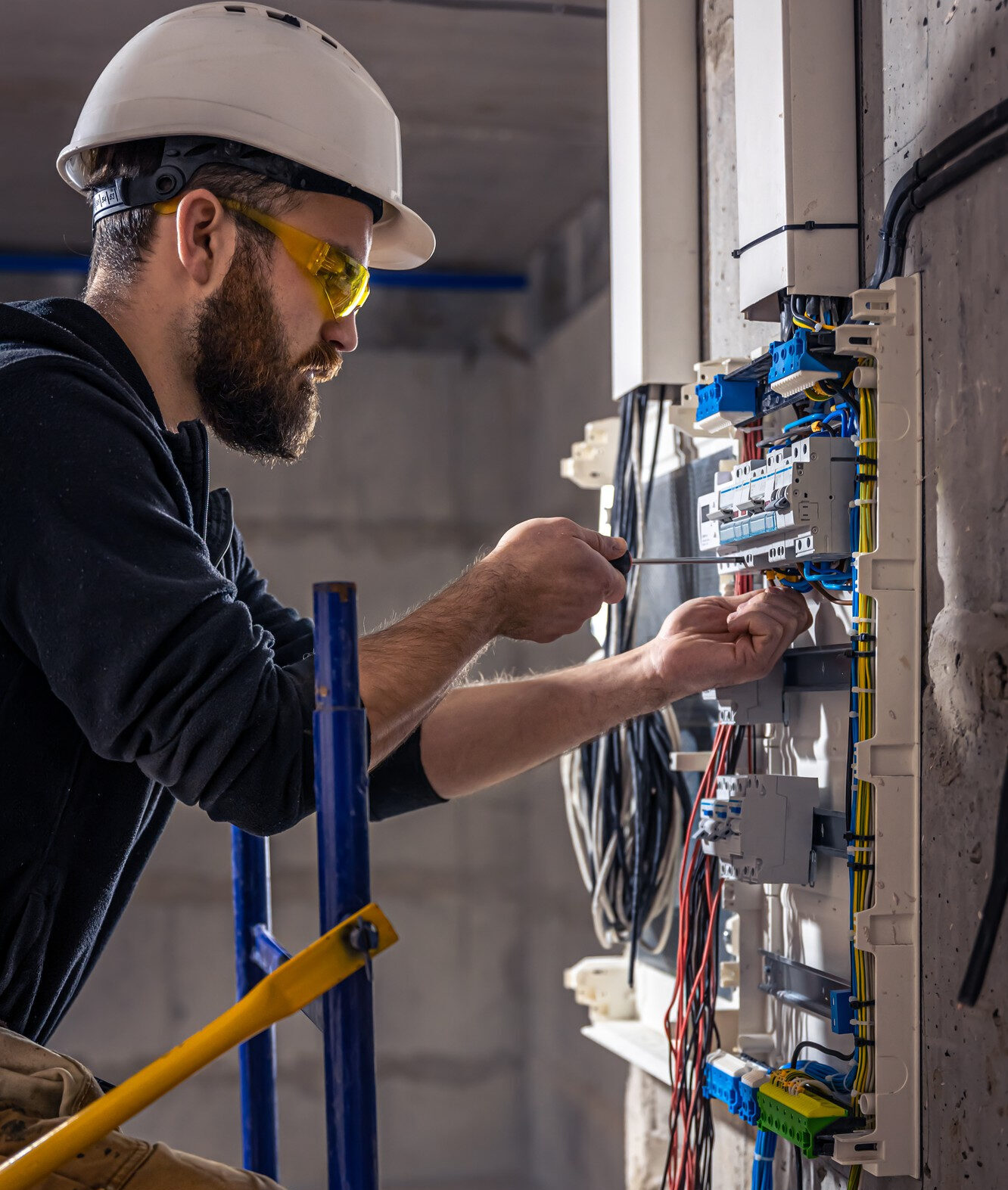
For Vista drivers, a home charger is most useful when sized to daily driving, vehicle capability, and the existing electrical service. Many households can meet their needs with a moderate Level 2 rate, and a licensed electrician should confirm the service rating, panel condition, and connected loads before installation. When utility work is needed, the project scope separates customer-side and utility-side responsibilities.
Vista EV charger planning
- Match charging power to driving needs and vehicle capability
- Confirm the load calculation before choosing equipment
- Select safety-certified equipment rated for the location
- Coordinate SDG&E when utility-side work is required
Published with Local Expertise
This guide was prepared by Good Electric, a licensed, insured licensed electrical contractor serving Vista and the surrounding area. The recommendations reflect real conditions we see on Vista-area properties. We follow California contractor licensing requirements and recommend every homeowner independently verify a contractor’s license and insurance before starting work.
Last reviewed: 2026-08-04. If you have an electrical need in Vista, Oceanside, San Marcos, Escondido, Carlsbad, and North San Diego County, contact Good Electric for a detailed inspection and written estimate.
Frequently Asked Questions
How fast will a Level 2 charger charge my vehicle?
Charging speed depends on the charger output and the vehicle’s onboard AC charging limit. The U.S. Department of Energy notes that Level 2 charging is commonly used for overnight home charging.
Do I need a 200-amp panel?
Not automatically. A load calculation and equipment strategy determine whether the existing service, managed charging, or an upgrade is appropriate.
Is hardwired safer than plug-in?
Both can be safe when designed and installed correctly. Hardwired equipment can reduce receptacle-related concerns and may be preferred for higher loads or outdoor locations.
Can I use my dryer outlet?
Do not assume it is suitable. Circuit exclusivity, receptacle condition, conductor size, duty cycle, equipment instructions, and required protection must be verified.
Can two EVs share one circuit?
Listed load-sharing chargers or energy-management systems can support two vehicles in some designs. The equipment and electrical calculation must be coordinated.
Technical Sources for Editorial Review
- U.S. Department of Energy Alternative Fuels Data Center – Charging at Home
- U.S. Department of Energy Alternative Fuels Data Center – EV Charging Levels
- San Diego Gas & Electric – Install an Electric Vehicle Charger
Source note: Technical references support general safety education. Local permitting, equipment specifications, and final scope must be confirmed for the individual property.
Plan the Right EV Charging System
| Next step: Good Electric can evaluate your panel, driving needs, parking location, and future plans; compare standard and managed charging options; and coordinate a code-compliant installation. Call 760-415-3549 or request an EV charger consultation. |
|---|