
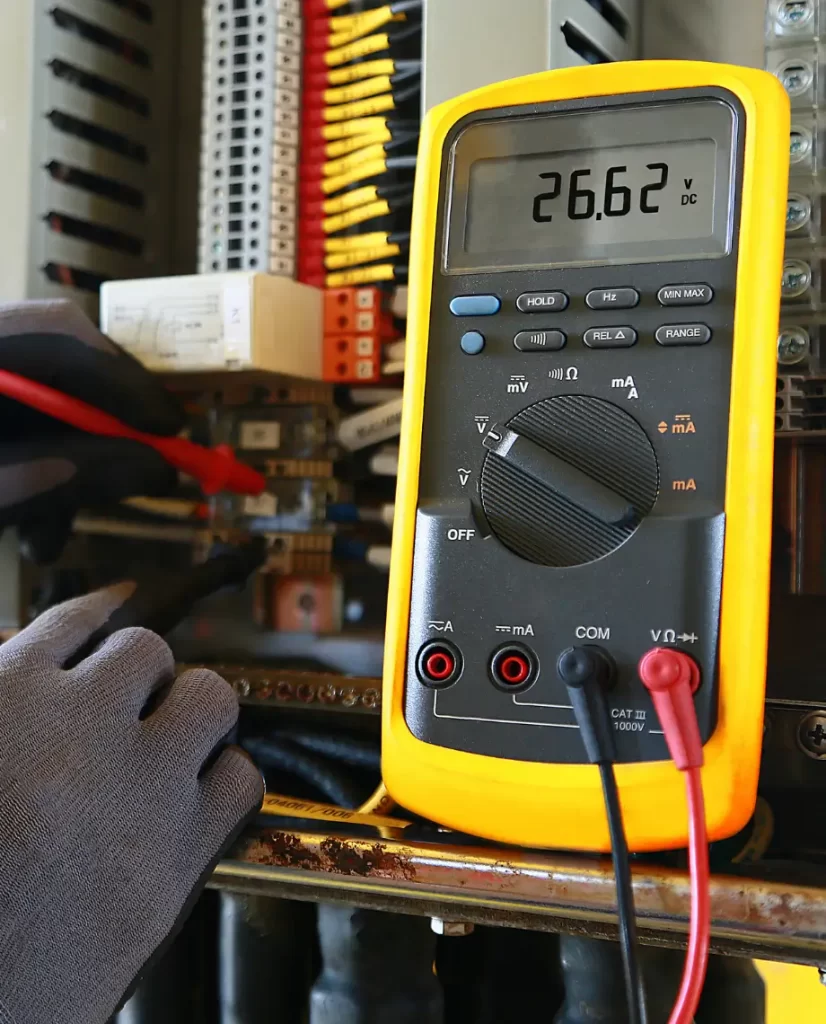
Key Takeaways
- Older homes, renovated homes, and recently purchased properties benefit from documented electrical review.
- An inspection is more useful when the electrician defines what was tested, what was visually inspected, and what remained inaccessible.
- Urgent hazards, required corrections, reliability improvements, and optional upgrades should be separated.
- A home inspection and a licensed electrical inspection have different depth and scope.
- Retain photos, reports, permits, panel schedules, and repair invoices as the property’s electrical history.
When an Electrical Inspection Is Most Valuable
Before buying or selling a property
A general home inspection can identify visible concerns, but a licensed electrical evaluation can test circuits, panel condition, grounding, protection devices, and capacity in greater detail. This is particularly useful when the property has additions, an ADU, solar, EV charging, a pool, or evidence of owner-performed work.
After a major remodel or new appliance
Kitchens, garage conversions, HVAC replacements, EV chargers, spas, heat pumps, and electric water heating can change demand and circuit requirements. An inspection can confirm that the new work and existing system work together safely.
When the property is older or has an unclear history
Age alone does not prove a defect, but older equipment, mixed wiring eras, and undocumented changes justify a closer look. CPSC and ESFI have long recommended inspections for older homes and homes with significant renovations or new major appliances.
When warning signs appear
Repeated breaker trips, dimming or flickering, warm or discolored devices, burning odor, buzzing, shocks, sparks, or intermittent circuits require prompt diagnosis rather than a routine future inspection.
What a Comprehensive Inspection Should Cover
What a thorough inspection covers
- Service and panel condition, ratings, breaker compatibility, labeling, and available capacity.
- Grounding and bonding at the service and accessible systems.
- Representative receptacles, switches, lighting, junction boxes, and accessible wiring.
- GFCI/AFCI protection and operation where applicable.
- Visible conductor condition, splices, extension-cord use, and signs of heat or damage.
- Major equipment circuits, disconnects, exterior electrical, garage, pool/spa, and outbuildings.
- Smoke/CO alarm power arrangements when included in the agreed scope.
- Load concerns and planned future equipment.
- Areas not inspected because they were concealed, inaccessible, or outside scope.
How Findings Should Be Prioritized
| Priority | Examples | Recommended Action |
|---|---|---|
| Immediate safety concern | Heat, arcing, exposed live parts, damaged service equipment | De-energize affected area and correct promptly |
| Required correction | Improper breaker, missing cover, unsafe termination, failed protection | Schedule code-compliant repair |
| Reliability concern | Loose device, overloaded circuit, deteriorated equipment | Plan repair before failure |
| Capacity/future planning | Full panel, EV charger, ADU, electrification project | Complete load and design evaluation |
| Optional improvement | Labeling, additional receptacles, convenience controls | Budget based on owner priorities |
Home Inspection vs. Electrical Inspection
A home inspector reviews many building systems and can flag visible concerns. A licensed electrician can perform focused testing, remove covers when appropriate and safe, evaluate equipment compatibility, trace circuits, measure voltage/current, and develop a repair scope.
Neither inspection can see every concealed conductor without opening finishes. A high-quality report states the limitations and avoids implying that an accessible visual inspection guarantees all hidden wiring is defect-free.
Estimated Vista and North San Diego County Planning Ranges
| Inspection Type | Editorial Planning Range | Typical Scope |
|---|---|---|
| Focused panel or circuit evaluation | $175–$350 | One issue, panel, or defined circuit |
| Residential electrical safety inspection | $250–$600 | Panel plus representative devices and systems |
| Detailed older-home or pre-purchase inspection | $350–$750+ | Broader sampling, documentation, and repair priorities |
| Small commercial inspection | $500–$1,500+ | Panels, circuits, equipment, occupancy, and documentation |
| Infrared or specialized testing | Quoted by scope | Conditions, equipment, and reporting requirements |
Owner Preparation Checklist
- Gather past permits, repair invoices, solar/EV documents, and panel schedules.
- List recurring symptoms and when they occur.
- Identify planned remodels, appliances, EVs, HVAC, batteries, or ADUs.
- Provide access to panels, garages, attics, crawl spaces, and major equipment.
- Ask for photos and priority categories in the final report.
- Retain the completed report and repair documentation with property records.
Questions a Useful Report Should Answer
- Gather past permits, repair invoices, and panel schedules
- List recurring symptoms and when they occur
- Note planned remodels, EVs, HVAC, batteries, or ADUs
- Provide access to panels, garages, attics, and crawl spaces
- Ask for photos and priority categories in the final report
- What was inspected and tested?
- What was inaccessible or outside the agreed scope?
- Which findings are urgent, required, recommended, or optional?
- What evidence supports each recommendation?
- Are permits, utility coordination, or destructive access likely?
- Which improvements support future equipment or renovations?
How Good Electric Approaches This Type of Work
Good Electric tailors the inspection to the property and the owner’s objective: troubleshooting a symptom, evaluating an older home, planning a remodel, supporting a real estate decision, or documenting a rental or commercial property. The report should be understandable to a non-electrician while still showing the evidence behind each recommendation.
Instead of presenting every older component as an emergency, findings should be prioritized by safety, code correction, reliability, capacity, and optional convenience. That allows owners to make responsible decisions without confusion or unnecessary fear.
What Vista Homeowners Should Know About Electrical Inspections
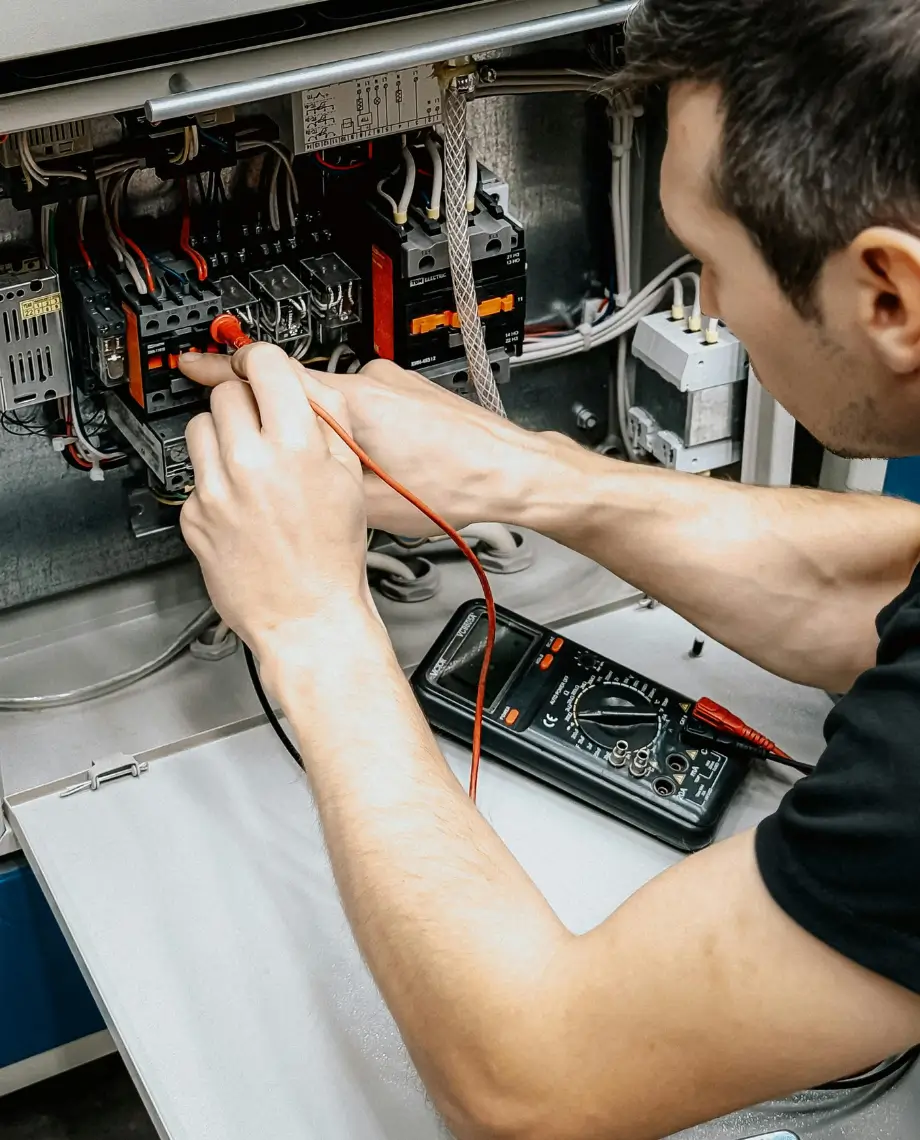
Older homes, renovated properties, and recent purchases throughout Vista and North San Diego County all benefit from a licensed electrical inspection. In the Inland Empire climate and housing mix, a home inspection and a licensed electrical inspection are not the same depth of review. Knowing when to schedule one, what it covers, and how findings are prioritized helps homeowners make informed decisions.
Vista-area inspection questions
- Before buying or selling a property
- After a major remodel or new high-demand appliance
- When the property is older or has an unclear history
- When warning signs like trips or flicker appear
Published with Local Expertise
This guide was prepared by Good Electric, a licensed, insured licensed electrical contractor serving Vista and the surrounding area. The recommendations reflect real conditions we see on Vista-area properties. We follow California contractor licensing requirements and recommend every homeowner independently verify a contractor’s license and insurance before starting work.
Last reviewed: 2026-08-04. If you have an electrical need in Vista, Oceanside, San Marcos, Escondido, Carlsbad, and North San Diego County, contact Good Electric for a detailed inspection and written estimate.
Frequently Asked Questions
How often should a home be inspected?
There is no single interval for every property. Age, renovations, ownership changes, warning signs, equipment additions, and repair history determine the need.
How long does an inspection take?
A focused visit may take about an hour. A detailed older-home, pre-purchase, or commercial inspection can take several hours depending on access and scope.
Will the electrician open the panel?
A licensed electrician may remove accessible covers when appropriate and safe. Homeowners should not do this themselves.
Does an inspection guarantee there are no hidden defects?
No. Concealed wiring cannot be fully evaluated without opening finishes. The report should state access limitations.
Can inspection findings be repaired the same day?
Some minor items may be addressed if authorized and parts are available. Larger repairs, permits, utility work, or planned outages usually require a separate scope.
Technical Sources for Editorial Review
- U.S. Consumer Product Safety Commission – Home Electrical Hazard Guidance
- Electrical Safety Foundation International – Home Wiring Safety Tips
- Electrical Safety Foundation International – Electrical Overload Warning Signs
Source note: Technical references support general safety education. Local permitting, equipment specifications, and final scope must be confirmed for the individual property.
Schedule a Documented Electrical Safety Inspection
| Next step: Good Electric can tailor an inspection to an older home, real estate decision, renovation, recurring symptom, rental property, or business. Call 760-415-3549 or request an inspection for a Vista or North San Diego County property. |
|---|