
Key Takeaways
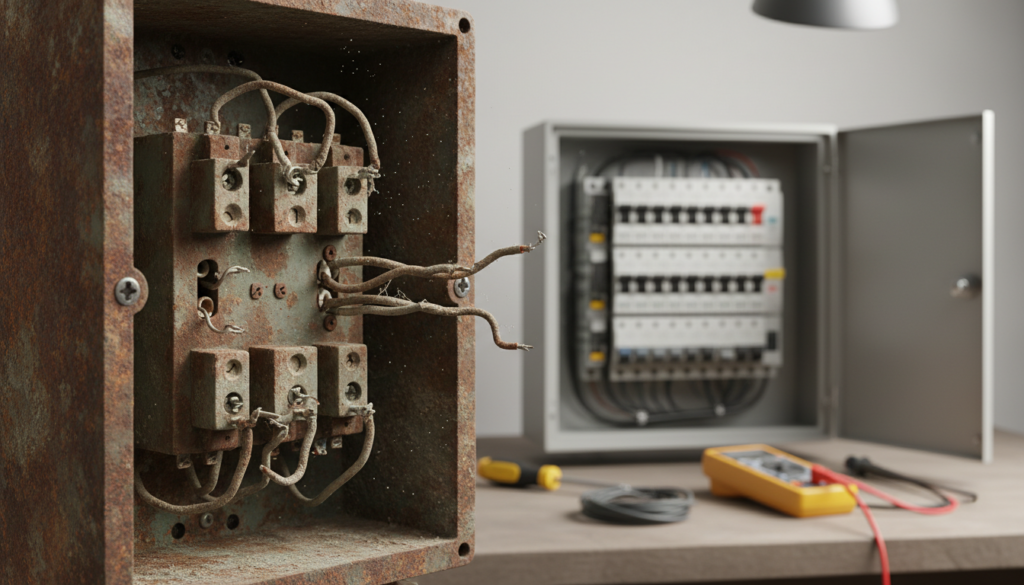
- Frequent trips, heat, buzzing, corrosion, damaged components, or improvised wiring require inspection.
- A full panel does not always require a service upgrade; a subpanel or load-management solution may be possible.
- EV chargers, heat pumps, electric water heating, solar-plus-storage, ADUs, and major remodels should begin with a load calculation.
- Panel work usually involves permits, inspection, and sometimes utility coordination.
- Compare scopes by service capacity, equipment, grounding, surge protection, corrections, and warranty—not price alone.
What the Electrical Panel Actually Does
The panel distributes incoming electrical service to branch circuits and houses the protective devices for those circuits. Its condition, rating, available spaces, bus design, grounding and bonding, and compatibility with current breakers all affect whether it can safely support the property.
In Vista and nearby North County communities, a single property may combine original wiring, later room additions, solar equipment, an ADU, garage circuits, pool equipment, air conditioning, and newer appliances. A panel evaluation should consider the complete system rather than the label on the door alone.
Seven Signs an Upgrade Should Be Evaluated
Signs your panel may need evaluation
1. Breakers trip under ordinary use
Repeated trips can reflect overloaded branch circuits, a failing appliance, loose wiring, or insufficient capacity. Diagnosis should come before replacement.
2. The panel is hot, buzzing, rusted, or visibly damaged
Heat, arcing sounds, corrosion, moisture, scorch marks, broken covers, and damaged breaker handles are safety concerns. Do not remove the dead front to investigate.
3. No breaker spaces remain
A full panel can limit remodels and new equipment. The solution may be a listed tandem configuration, a subpanel, load management, or a service upgrade depending on the panel and load calculation.
4. The home relies on fuses or obsolete equipment
Older equipment may lack replacement parts, modern protective options, or adequate capacity. The electrician should identify the manufacturer, model, condition, and available listed components.
5. Large new loads are planned
Level 2 EV charging, heat pumps, electric ranges, spas, workshops, battery systems, and ADUs can materially change demand. A calculation is more reliable than guessing from the main-breaker number.
6. Previous work appears improvised
Double-tapped terminals, open knockouts, mismatched breakers, missing labels, abandoned conductors, and crowded wiring can indicate unpermitted or incomplete work.
7. Insurance, sale, or renovation review identifies concerns
An electrical inspection can document whether correction, partial repair, or replacement is appropriate and can help owners budget before closing or construction.
100-Amp, 125-Amp, 200-Amp, or Load Management?
The correct service size depends on calculated demand, not a universal rule. A 200-amp service is common for properties adding multiple electric loads, but some homes can meet their needs with existing capacity, efficient equipment, managed EV charging, or a subpanel.
Ask the electrician to explain the load calculation, largest planned loads, diversity assumptions, available utility service, and future expansion. This creates a defensible recommendation instead of an automatic upsell.
| Condition | Possible Strategy | What Must Be Verified |
|---|---|---|
| Panel is sound but full | Subpanel or listed space solution | Panel listing, feeder capacity, and calculated load |
| EV charger would exceed available load | Managed charging or service upgrade | Charger rating, other loads, and approved controls |
| Panel has heat or bus damage | Panel replacement | Extent of damage and service-equipment condition |
| Multiple electrification projects planned | 200-amp or larger design review | Utility capacity, meter location, and future equipment |
| Older home with limited circuits | Panel plus selected branch-circuit work | Existing wiring condition and code corrections |
What a Complete Panel-Upgrade Scope Should Include
- New service or panel rating and manufacturer.
- Breaker types, AFCI/GFCI requirements, and surge protection.
- Grounding and bonding corrections.
- Meter, service entrance, weatherhead, mast, or underground-service work when applicable.
- Circuit identification and directory updates.
- Permit, inspection, utility coordination, and planned outage.
- Drywall, stucco, trenching, or finish-work exclusions.
- Equipment and workmanship warranties.
A professional proposal should also identify what is not included and how hidden conditions or utility requirements will be priced.
Estimated Vista and North San Diego County Planning Ranges
| Service | Editorial Planning Range | Typical Variables |
|---|---|---|
| Panel and load evaluation | $200–$450 | Property size, documentation, and testing depth |
| Like-for-like panel replacement | $2,800–$5,500 | Equipment, access, corrections, and permit |
| 200-amp service upgrade | $4,000–$8,500+ | Meter/service work, utility coordination, and location |
| Subpanel installation | $1,200–$3,000 | Feeder route, amperage, grounding, and finish work |
| Major trenching or service relocation | Project-specific | Utility design, excavation, restoration, and easements |
Panel Upgrade Checklist for Homeowners
- List planned equipment and remodels for the next five to ten years.
- Request a load calculation rather than relying on a visual guess.
- Confirm permit and inspection responsibility.
- Ask whether surge protection and modern circuit protection are included.
- Clarify utility, drywall, stucco, trenching, painting, and landscaping responsibilities.
- Photograph the existing panel and retain the final permit and circuit directory.
How Good Electric Approaches This Type of Work
- List planned equipment and remodels for the next five to ten years
- Request a load calculation rather than relying on a visual guess
- Confirm permit and inspection responsibility
- Ask whether surge protection and modern circuit protection are included
- Clarify utility, drywall, stucco, and finish-work responsibilities
- Photograph the existing panel and retain the final permit
Good Electric evaluates the condition of the existing panel, the actual and planned loads, branch-circuit concerns, available breaker spaces, and utility requirements before recommending replacement. That distinction matters because a tripping breaker, full panel, and undersized service are different problems.
For Vista-area properties, the proposed design should support current needs while avoiding unnecessary capacity. A clear scope should show what equipment is being installed, which corrections are required, how long the outage may last, and what future loads the system is designed to support.
What Vista Homeowners Should Know About Panel Upgrades
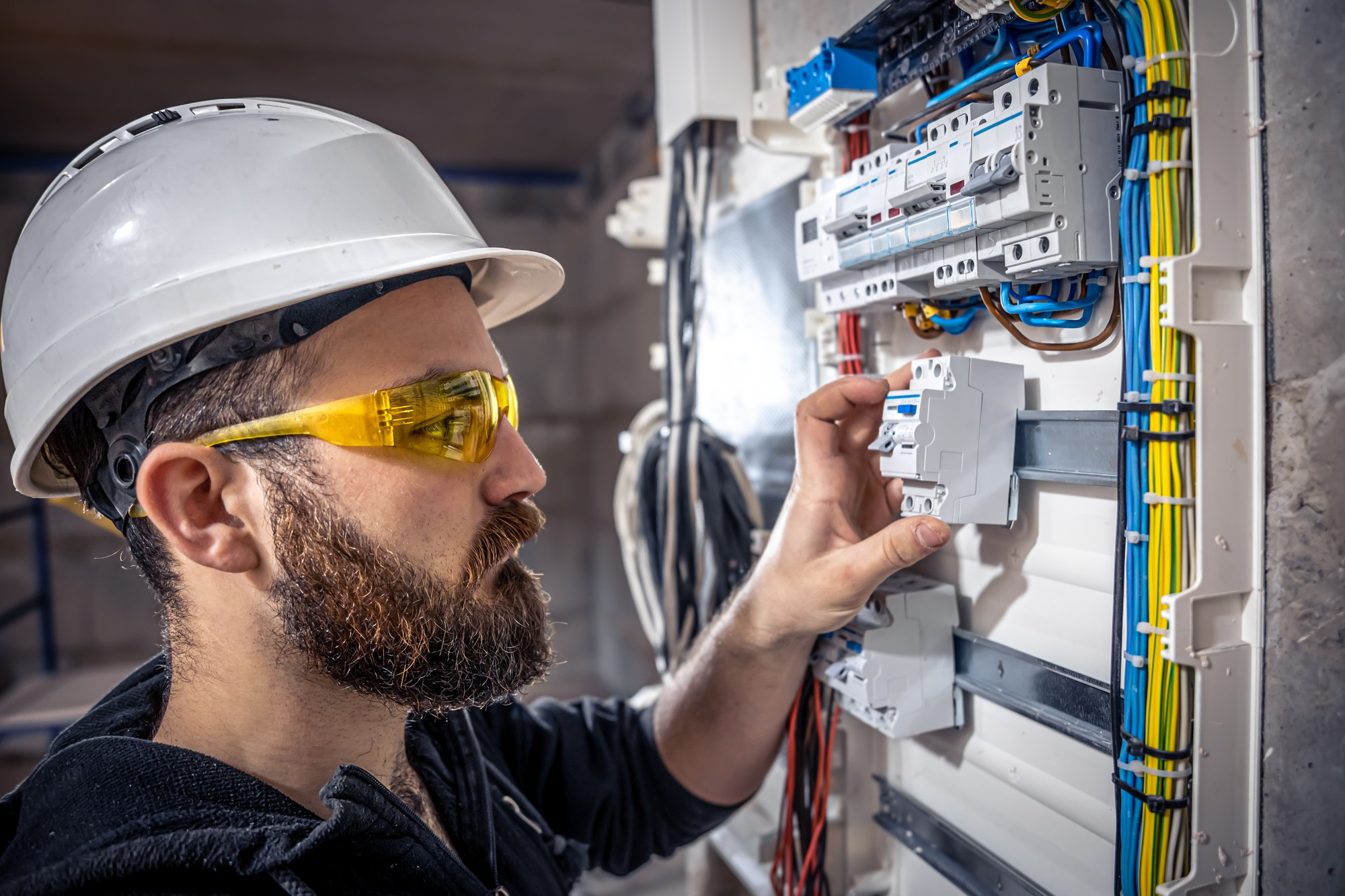
Electrical panels in Vista homes age differently depending on load, environment, and past work. Frequent trips, heat, buzzing, corrosion, or improvised wiring all warrant evaluation. A full panel does not always require a service upgrade; a subpanel or load management may solve it. New EV chargers, heat pumps, and all-electric appliances often drive the conversation about capacity.
Vista panel questions
- Request a load calculation, not a guess
- Distinguish panel from service capacity
- Confirm permit and inspection are included
- Plan for future loads like EV and heat pumps
Published with Local Expertise
This guide was prepared by Good Electric, a licensed, insured licensed electrical contractor serving Vista and the surrounding area. The recommendations reflect real conditions we see on Vista-area properties. We follow California contractor licensing requirements and recommend every homeowner independently verify a contractor’s license and insurance before starting work.
Last reviewed: 2026-08-04. If you have an electrical need in Vista, Oceanside, San Marcos, Escondido, Carlsbad, and North San Diego County, contact Good Electric for a detailed inspection and written estimate.
Frequently Asked Questions
Does every old panel need replacement?
No. Age is one factor. Condition, listing, available parts, capacity, damage, and planned loads determine whether repair or replacement is appropriate.
Is 200 amps enough for an all-electric home?
Often, but not always. The answer depends on the load calculation, equipment ratings, simultaneous use, and load-management strategy.
Can a subpanel solve a full-panel problem?
It can create breaker space, but it does not increase the utility service capacity. The calculated load still must be acceptable.
Will the power be off during installation?
Yes. The outage length varies with the scope, inspection timing, and utility work. The contractor should explain the sequence in advance.
Does a panel upgrade require a permit?
Panel and service work generally requires local permitting and inspection. The specific process should be confirmed for the property and jurisdiction.
Technical Sources for Editorial Review
- U.S. Consumer Product Safety Commission – Home Electrical Hazard Guidance
- Electrical Safety Foundation International – Home Wiring Safety Tips
- Electrical Safety Foundation International – Whole-Home Surge Protection
Source note: Technical references support general safety education. Local permitting, equipment specifications, and final scope must be confirmed for the individual property.
Plan a Safe Electrical Panel Upgrade
| Next step: Good Electric can inspect your existing equipment, calculate current and future demand, and explain whether repair, a subpanel, load management, or a full service upgrade is the right fit. Call 760-415-3549 or request a panel evaluation online. |
|---|