
Electrical Subpanel vs. 200-Amp Panel Upgrade: Cost, Capacity & Best Choice for Vista Homes
For most Vista homeowners, a subpanel is the better choice when the existing electrical service has enough capacity but the home simply needs more breaker space or a convenient power distribution point. A 200-amp panel or service upgrade is the stronger long-term choice when the home is already near its electrical limit, the existing panel is damaged or obsolete, or several major new loads are planned.
The mistake is treating these two projects as interchangeable. A subpanel can create space and move power closer to a garage, addition, workshop, pool equipment area, or ADU, but it does not increase the amount of electricity available from the utility. A service upgrade can increase available capacity, but it costs more and may require additional permitting and utility coordination.
Key Takeaways: Subpanel vs. 200-Amp Upgrade
- Choose a subpanel when the main service has adequate capacity but you need more circuit spaces or a better distribution point.
- Choose a 200-amp upgrade when calculated demand is too high for the existing service or the main equipment itself needs replacement.
- A subpanel usually costs less and may involve less disruption, especially when installed near the main panel.
- A 200-amp upgrade is better for future electrification if you expect EV charging, heat pumps, electric cooking, battery storage, an ADU, spa equipment, or a second EV.
- The deciding factor is a load calculation and equipment condition, not the number of empty breaker spaces alone.
Subpanel vs. 200-Amp Panel Upgrade: Head-to-Head Comparison
| Decision Factor | Electrical Subpanel | 200-Amp Panel / Service Upgrade | Typical Winner |
|---|---|---|---|
| Creates more breaker spaces | Yes | Yes | Either |
| Increases total utility service capacity | No | Potentially yes, when the service is upgraded | 200-amp upgrade |
| Typical Vista-area planning range | About $800–$2,000 for many attached-home installations; $2,000–$4,000+ for long or trenched runs | About $3,000–$8,500+ depending on service, meter, location, corrections, and utility work | Subpanel for upfront cost |
| Best for garage, workshop, addition, pool equipment, or grouped circuits | Excellent | Sometimes unnecessary by itself | Subpanel |
| Best when existing service is near capacity | Does not solve the capacity limit | Designed to address the capacity problem when justified | 200-amp upgrade |
| Utility coordination | Often less extensive if the main service stays unchanged | More likely when the service rating or meter equipment changes | Subpanel |
| Future EV + heat pump + ADU + electrification | Useful for distribution, but limited by the existing service | Provides more headroom when the calculated load supports the design | 200-amp upgrade |
| Project disruption | Usually lower for a short feeder installation | May require a planned outage, permit inspection, meter work, or utility scheduling | Subpanel |
| Best long-term value | Best when capacity is already sufficient | Best when the property truly needs more service capacity | Depends on load |
Cost ranges above are planning estimates for the San Diego County market, not fixed Good Electric pricing. Access, conductor length, trenching, service configuration, utility requirements, permit scope, and existing code corrections can materially change a project.
When Does a Subpanel Win?
A subpanel wins when the home already has enough electrical capacity and the real problem is space, distance, or organization. That is why a subpanel is often a smart solution for garages, workshops, additions, pool equipment, outdoor kitchens, and groups of new dedicated circuits.
For example, instead of running multiple individual circuits from one side of a Vista property to another, an electrician may install one properly sized feeder to a subpanel and distribute the new circuits from there. This can make future servicing easier and can reduce the amount of branch-circuit wiring required.
Common situations where a subpanel makes sense
- The main panel is in good condition and the load calculation shows available capacity.
- The panel has limited physical breaker space but the electrical service is not overloaded.
- A garage or workshop needs several new dedicated circuits.
- An addition, pool equipment area, detached structure, or equipment cluster is far from the main panel.
- You want room for future circuits without replacing otherwise serviceable main equipment.
When a subpanel wins: use it to solve distribution and breaker-space problems when the service already has enough capacity.
When Does a 200-Amp Panel Upgrade Win?
Signs a service-capacity review beats a subpanel
A 200-amp upgrade wins when the limitation is electrical capacity, not just breaker space. It is also often the better decision when the main panel itself has significant damage, corrosion, heat damage, incompatible equipment, or another condition that makes continued use impractical.
Modern Vista homes can accumulate major electrical loads quickly. A Level 2 EV charger may be followed by a heat pump, induction range, electric dryer, spa, battery system, second EV, or ADU. Adding breaker spaces does not increase the amount of power the utility service can safely provide.
Signs a service-capacity review is more important than a subpanel
- You are planning several major electric appliances within the next few years.
- The existing service is already heavily loaded.
- There are repeated voltage or breaker issues that require professional electrical troubleshooting.
- The panel is damaged, corroded, obsolete, or no longer suitable for the planned work.
- An EV charger, ADU, heat pump, or other project cannot be supported after the required load calculation.
If the service truly needs more capacity, Good Electric’s panel and service upgrade work can address both the main equipment and the future electrical demand instead of using a subpanel to postpone the underlying capacity issue.
When a 200-amp upgrade wins: choose it when the service itself is the bottleneck or when replacing the main equipment is already justified.
Does a Subpanel Give You More Electrical Power?
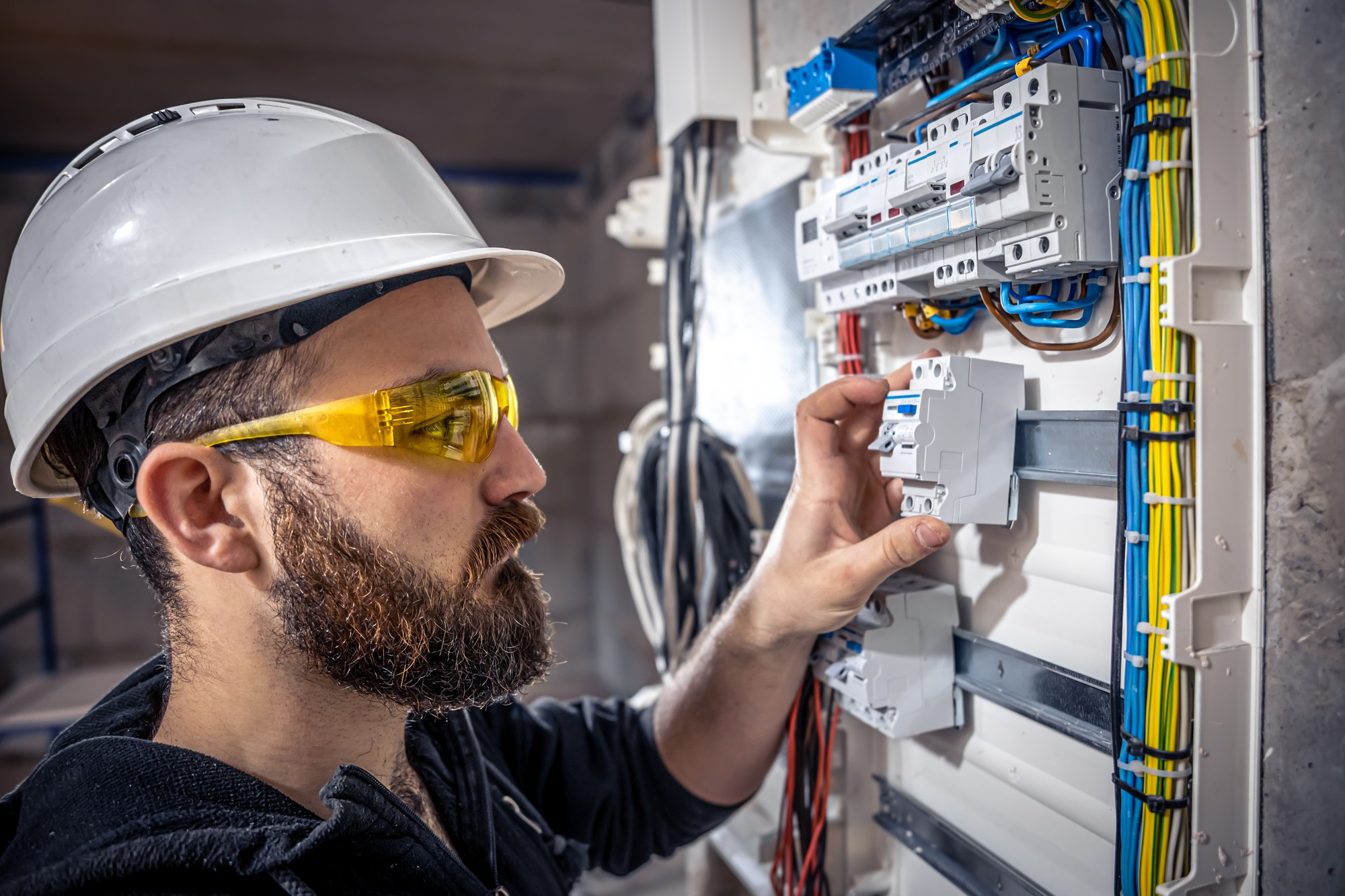
No. A subpanel gives you more distribution space, not more utility capacity. This is the most important distinction in the entire comparison.
If a 100-amp service is already operating near its calculated limit, installing a 100-amp-rated subpanel does not turn the property into a 200-amp home. The subpanel is still supplied through the existing main service. That is why a qualified electrician should review the existing loads before recommending either option.
Think of it this way: a subpanel adds more lanes inside the parking lot. A service upgrade can increase the size of the entrance feeding the parking lot. More internal lanes do not help if the entrance itself is already at capacity.
How Much Does a Subpanel Cost Compared With a 200-Amp Upgrade in Vista?
A subpanel is usually the less expensive project, but distance and trenching can narrow the gap. Current San Diego-area pricing published in 2026 commonly places straightforward subpanel installations below full 200-amp service upgrades, while detached structures and difficult feeder routes can push subpanel costs substantially higher.
| Typical Project | Vista / North County Planning Range | What Changes the Price |
|---|---|---|
| Short-run 60–100A subpanel in attached garage | $800–$1,500 | Panel size, feeder length, breaker count, access |
| 100–125A subpanel with moderate indoor feeder run | $1,200–$2,000 | Finished walls, conductor size, route complexity |
| Detached garage / workshop subpanel | $2,000–$4,000+ | Trenching, conduit, grounding, distance, restoration |
| 100A-to-200A panel/service upgrade | $3,000–$8,500+ | Meter/service work, location, utility coordination, corrections |
The cheapest option is not automatically the best value. Spending less on a subpanel makes little sense if a service upgrade will still be required six months later for a planned EV charger or ADU. Likewise, replacing the entire service can be unnecessary when the existing capacity is adequate and only breaker space is missing.
How Vista Neighborhoods Can Tip the Decision
The right choice depends on how the property is laid out and how its electrical system has evolved. Vista has a mix of planned neighborhoods, older central-area homes, and larger rural-residential properties, so the same recommendation does not fit every address.
Shadowridge: future loads can matter more than breaker space
In established Shadowridge homes, an owner may be planning an EV charger, HVAC replacement, kitchen remodel, or other electrification project. If the existing service still has adequate calculated capacity, a subpanel can provide useful circuit space. If several large loads are arriving together, evaluating a 200-amp service may be more strategic than solving one project at a time.
Buena Creek: distance can make a subpanel especially useful
Buena Creek properties often have more land and can include workshops, detached garages, gates, pumps, or other equipment farther from the main residence. In that type of layout, a subpanel near the new loads may simplify distribution. The feeder length, voltage drop, trenching route, and total service capacity still need to be designed correctly.
Vista Village and central Vista: existing equipment condition matters
On older or remodeled properties around central Vista, the decision may depend less on adding breaker spaces and more on what is already there. Mixed-era wiring, previous additions, limited service capacity, or aging equipment can turn a simple subpanel discussion into a broader electrical evaluation.
For a property-specific assessment, Good Electric’s Vista electrician services can evaluate the panel condition, available capacity, and planned loads before deciding which project actually solves the problem.
What About SDG&E When You Upgrade the Main Panel?
Utility involvement becomes more important when the project changes the existing electric service. SDG&E asks customers planning changes to existing service to provide current and proposed loads, and its Builder Services resources specifically include main panel upgrades, residential EV charging, and other remodeling projects.
There is also a very local issue that can affect older San Diego County properties: SDG&E says homes built before 2017 commonly have gas meters located directly below electrical panels. For qualifying residential upgrades, SDG&E now offers an Overpressure Shut-off (OPSO) regulator option that may allow an eligible project to meet current utility requirements without relocating the gas meter or electrical panel. Eligibility is property-specific and must be determined by SDG&E.
This is one reason a good panel-upgrade proposal should explain utility coordination instead of treating the project as a simple box replacement.
Should You Install a Subpanel Now and Upgrade to 200 Amps Later?
Sometimes—but only when the subpanel is useful even after a future service upgrade. If the subpanel will permanently serve a detached garage, addition, workshop, or equipment area, installing it now may still make sense because it remains part of the final system.
It is less attractive when the subpanel is being installed only to avoid confronting an already inadequate service. In that situation, the homeowner may pay twice: once for a temporary workaround and again for the service upgrade.
A better planning conversation is: What electrical loads do we expect over the next five to ten years, and which design avoids unnecessary rework?
What Should an Electrician Check Before Recommending Either Option?
- Main service rating and panel condition
- Calculated existing electrical demand
- Available breaker spaces and panel listing
- Planned EV, HVAC, water heating, cooking, ADU or pool loads
- Feeder route and distance to the proposed subpanel
- Grounding and bonding plus code corrections
- SDG&E coordination and permit requirements
- Main service rating and panel condition.
- Calculated existing electrical demand.
- Available breaker spaces and panel listing.
- Planned EV charging, HVAC, water heating, cooking, battery, solar, ADU, pool, spa, or workshop loads.
- Feeder route and distance to the proposed subpanel location.
- Grounding and bonding.
- Existing code or safety corrections that affect the project.
- Permit and inspection requirements.
- Whether SDG&E coordination or service work is necessary.
About Good Electric: the goal of a proper electrical evaluation should be to identify the actual constraint—space, distance, condition, or capacity—before recommending a larger project.
Choosing the Right Panel Project in Vista
For Vista homeowners, the right choice depends on the property layout and how the electrical system has evolved. Panel condition, available capacity, and planned loads should be reviewed before choosing a subpanel or a service upgrade. Good Electric evaluates each Vista property individually so the recommendation fits the actual limitation.
Vista electrical planning by area
- Shadowridge — evaluate a 200-amp service when EV, HVAC, or remodel loads arrive together
- Buena Creek — a subpanel near detached structures can simplify distribution, but factor feeder length and trenching
- Vista Village & central Vista — mixed-era wiring and aging equipment may turn a subpanel discussion into a broader evaluation
Published with Local Expertise
This guide was prepared by Good Electric, a licensed, insured licensed electrical contractor serving Vista and the surrounding area. The recommendations reflect real conditions we see on Vista-area properties. We follow California contractor licensing requirements and recommend every homeowner independently verify a contractor’s license and insurance before starting work.
Last reviewed: 2026-08-11. If you have an electrical need in Vista, Oceanside, San Marcos, Escondido, Carlsbad, and North San Diego County, contact Good Electric for a detailed inspection and written estimate.
Frequently Asked Questions
Is a subpanel cheaper than upgrading to 200 amps?
Usually, yes. A short-run subpanel often costs considerably less because it does not necessarily require changes to the utility service. Long feeders, trenching, detached structures, or major corrections can increase the cost.
Can I add a subpanel if my main panel is full?
Possibly, but “full” can mean two different things. If the issue is only a lack of breaker spaces and the service still has capacity, a subpanel may work well. If the electrical service is already near its calculated limit, adding spaces does not solve the capacity problem.
Do I need 200 amps for an EV charger?
Not automatically. EV charging can often be designed around available capacity using an appropriate charging rate or approved load-management strategy. EV charger installation and load management should be planned from the vehicle needs and the home’s actual electrical capacity.
Does a 100-amp subpanel mean I now have 200 amps?
No. The subpanel receives power from the existing main service. Its rating describes the panel and feeder design; it does not add utility service capacity by itself.
Is a subpanel better for an ADU?
It can be, especially for circuit distribution, but the total property load still has to work. ADUs can add HVAC, cooking, water heating, laundry, and other substantial loads, so the main service should be evaluated before the design is finalized.
Will a 200-amp upgrade increase my home’s resale value?
It can improve buyer confidence when the upgrade supports modern electrical needs, but it should not be treated as a guaranteed dollar-for-dollar resale return. The stronger value is functional: more capacity for electrification, cleaner permitted infrastructure, and fewer limitations for future equipment.
How do I know which option my Vista home actually needs?
Start with the panel condition, load calculation, and your five-to-ten-year electrical plan. Those three factors usually make it clear whether you need more breaker space, more service capacity, or both.
Bottom Line for Vista Homeowners
Choose a subpanel when your existing service has enough capacity but you need more breaker spaces or a better distribution point.
Choose a 200-amp panel/service upgrade when the service itself is the bottleneck, the main equipment needs replacement, or your future electrical plans justify more capacity.
The best recommendation is the one that solves the actual limitation without oversizing the project or creating a temporary workaround that has to be redone later.
Get a Capacity Evaluation Before You Commit
Good Electric can evaluate your existing panel, available electrical capacity, planned appliances, EV charging, garage or ADU needs, and feeder options to determine whether a subpanel, panel upgrade, load-management solution, or combination makes the most sense for your Vista property.
Before spending thousands on the wrong upgrade, contact Good Electric to request a property-specific electrical evaluation in Vista and North San Diego County.